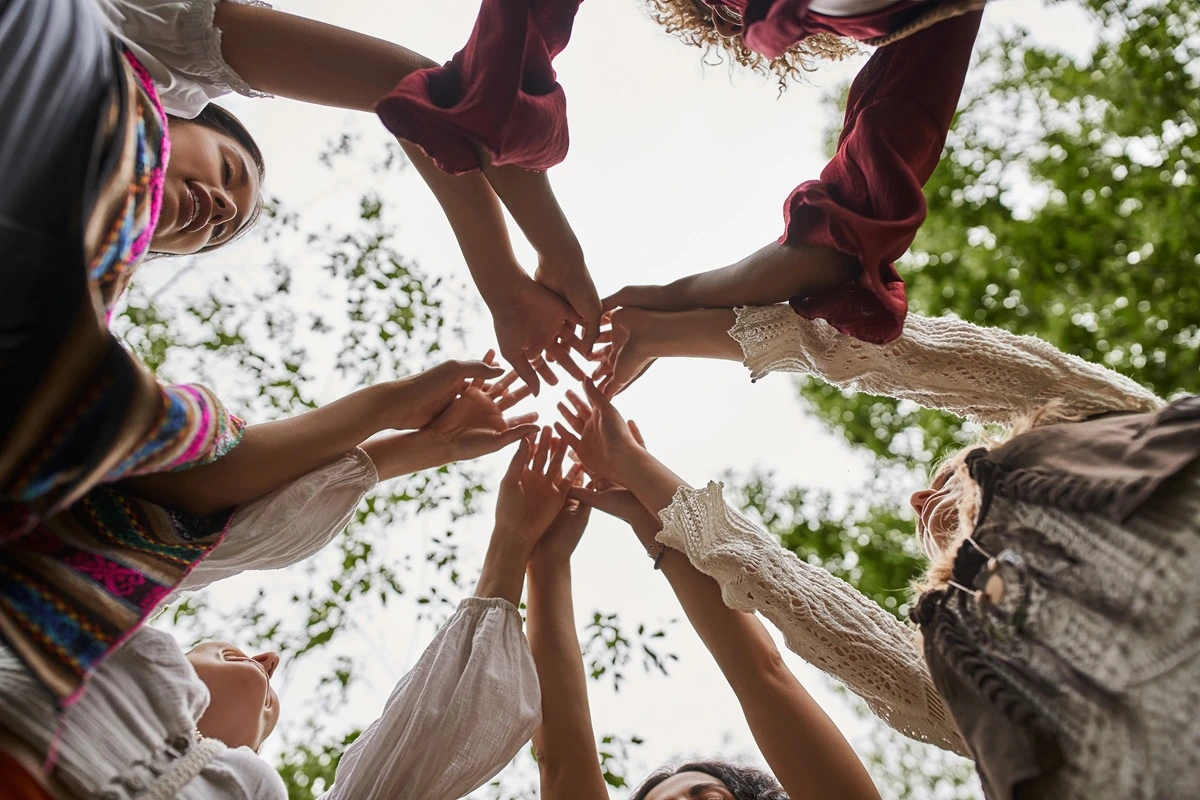
A community becomes stronger when people know that their voices matter and that they do not have to navigate every challenge alone. Solidarity is the practice of standing alongside one another, while belonging grows when people feel respected, included, and able to contribute.
For diverse communities, these connections can create a foundation for learning, mutual support, and collective action. They depend on everyday choices: who is heard, how differences are handled, and whether people can take part without having to hide their perspectives.
Building solidarity is an ongoing process of creating relationships in which dignity and equal participation are taken seriously.
Belonging Begins With Respect
A welcoming space involves more than an open invitation. People need to know that they will be treated with respect and that their experiences will not be dismissed or reduced to assumptions.
This can begin with simple practices: asking how someone wishes to be addressed, listening without interruption, and making information easy to understand. Respect also includes recognizing different levels of confidence, access, and availability.
Nobody should be expected to speak on behalf of an entire community. People can share experiences if they choose, but participation should not depend on disclosing personal information or explaining an identity to others.
A sense of belonging grows when individuals can decide how they participate and have that choice respected.
Turning Shared Values Into Everyday Support
Solidarity becomes meaningful through practical action. Sharing information about learning opportunities, exchanging useful skills, or helping someone find relevant resources can make community connections valuable in everyday life.
Peer support might involve a small discussion group, an informal exchange of business knowledge, or a conversation about navigating an unfamiliar process. These are examples of possible approaches, rather than reports of existing Ragam Berdaya Indonesia activities.
Support should reflect what people actually need. Asking before offering advice, being clear about what is possible, and respecting boundaries help prevent well-intended support from becoming an unwanted obligation.
Reciprocity does not mean that every contribution must be equal in size. Time, knowledge, encouragement, and careful listening can each have value.
Making Room for Different Voices
Diverse communities include people with different experiences, priorities, and views. Solidarity does not require everyone to agree on every issue. It requires a commitment to addressing differences with care and fairness.
Meetings and discussions can make participation easier by sharing topics in advance, allowing time to respond, and offering more than one way to contribute. Written feedback or smaller conversations may work better for some people than speaking in a large group.
Transparent decision-making matters too. Participants should understand how their input will be used, who is responsible for a decision, and how concerns can be raised.
When disagreement occurs, the aim should be to understand the concern and seek a workable response, while maintaining respect for each person’s dignity.
Sustaining Solidarity Over Time
Relationships need attention beyond a single meeting or activity. Consistent communication, realistic commitments, and opportunities to reflect can help a community maintain trust.
Shared responsibility can prevent support from depending on only a few individuals. Clear roles, flexible ways to help, and permission to take a break can make participation more sustainable.
Communities can also reflect on who remains excluded. Practical barriers such as cost, inaccessible venues, unclear information, or inconvenient schedules may limit participation even when an invitation is sincere.
Listening to feedback and making thoughtful adjustments keeps solidarity connected to people’s circumstances. Progress can be seen in whether members have more confidence to contribute and greater influence over the choices that affect them.
Conclusion
Solidarity and belonging develop through respect, practical support, and meaningful participation. They create room for people to contribute on their own terms while working toward shared goals.
By strengthening these relationships, diverse communities can build a stronger foundation for empowerment, dignity, and equal opportunities.